A sudden power outage usually happens at the worst possible time, often just as you are trying to pull the car out of the driveway for work or school. When the electricity cuts out, your high tech opener becomes a heavy paperweight, leaving your primary exit sealed shut. Understanding how to bypass the motor safely is not just about convenience. It is a vital safety skill that ensures you are never truly trapped inside your own home during an emergency. Before you start pulling cords and pushing panels, you need to understand the mechanics of what is holding that door in place.
Locating the Emergency Release Cord
Every modern automatic garage door system is equipped with a manual bypass. You can find this by looking for the bright red cord hanging from the operator rail. This cord is attached to a trolley that connects the door arm to the motor drive. When you pull the cord, it disconnects the carriage from the drive chain or belt, allowing the door to slide freely along the tracks. It is important to only pull this cord when the door is in the fully closed position. If the door is partially open and you release the carriage, the full weight of the door could come crashing down if the garage door springs are worn out or broken.
The Importance of Balanced Springs
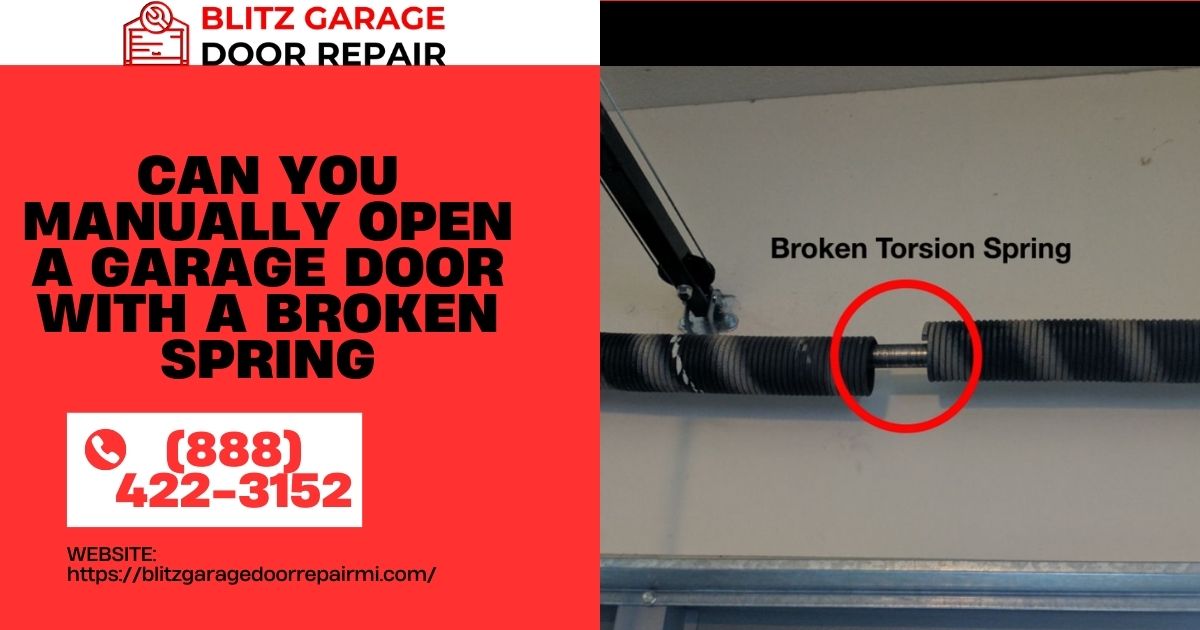
Many homeowners assume the motor does all the heavy lifting when the door moves. In reality, the springs do ninety percent of the work. If your door is properly balanced, you should be able to lift it with one hand even when the power is out. If you pull the emergency release and find that the door feels impossibly heavy or refuses to stay open on its own, your springs are likely failing. Running a motor on a door with bad springs leads to a premature garage door opener repair because the motor has to strain against the dead weight of the steel panels. Never attempt to force a door open if it feels stuck, as this can bend the tracks or cause the cables to snap.
Securing Your Home From the Inside
One detail people often overlook during an extended power outage is security. When the garage door is connected to the opener, the motor acts as a lock that prevents anyone from lifting the door from the outside. Once you pull the emergency release cord and disconnect the motor, that digital lock is gone. A thief could potentially slide the door up with ease. If the power is going to be out for several hours or overnight, you should engage the manual sliding lock located on the side of the door. Just remember to slide this lock back into the open position before the power comes back on and you attempt to use the remote again.
Reconnecting the Opener When Power Returns
Once the grid is back online, you will want to return to automatic operation. This process is usually as simple as reversing your manual steps. Close the door completely first. Depending on your specific model, you may need to pull the emergency cord toward the door or simply hit the button on your wall console. You will hear a loud click when the carriage re-engages with the drive belt or chain. It is a good idea to watch the door run through one full cycle to ensure everything is aligned correctly and the sensors are communicating properly after the power surge.
Consider a Battery Backup System
If you live in an area prone to seasonal storms or frequent brownouts, you might want to move away from manual operation entirely. Modern openers often come with integrated battery backup systems that kick in the moment the main power fails. These batteries typically provide enough energy for dozens of cycles over a 24 hour period, ensuring you never have to step out of your car in the rain to fiddle with a release cord. Upgrading your system can provide peace of mind and keep your home secure without any manual intervention required from you.
Frequently Asked Questions
Can I open my garage door from the outside if the power is out?
If you do not have a side entry door to the garage, you must have an external emergency release kit installed. This is a small keyhole on the front of the door that allows you to pull the release cord from the outside. Without this kit or a secondary entrance, you may be locked out of the garage until power is restored.
Why is my garage door so heavy when I try to lift it manually?
A garage door should be easy to lift regardless of its size. If it feels heavy, your torsion or extension springs are likely out of balance or nearing the end of their lifespan. This is a safety hazard and requires professional adjustment to prevent the door from falling unexpectedly.
Will my remote settings be lost after a power failure?
Most modern garage door openers use non-volatile memory, which means they retain their programming and remote codes even when they lose power for long periods. You should not need to reprogram your remotes or keypads once the electricity comes back on.
Get Professional Help Today
Dealing with a stubborn garage door during a power outage is a major headache that often reveals hidden maintenance issues. If you found that your door was too heavy to lift manually or you are interested in upgrading to a system with a reliable battery backup, our team is ready to help. Reach out to us at our contact page to schedule an inspection or to discuss a new installation that keeps you moving no matter what the weather does.